05
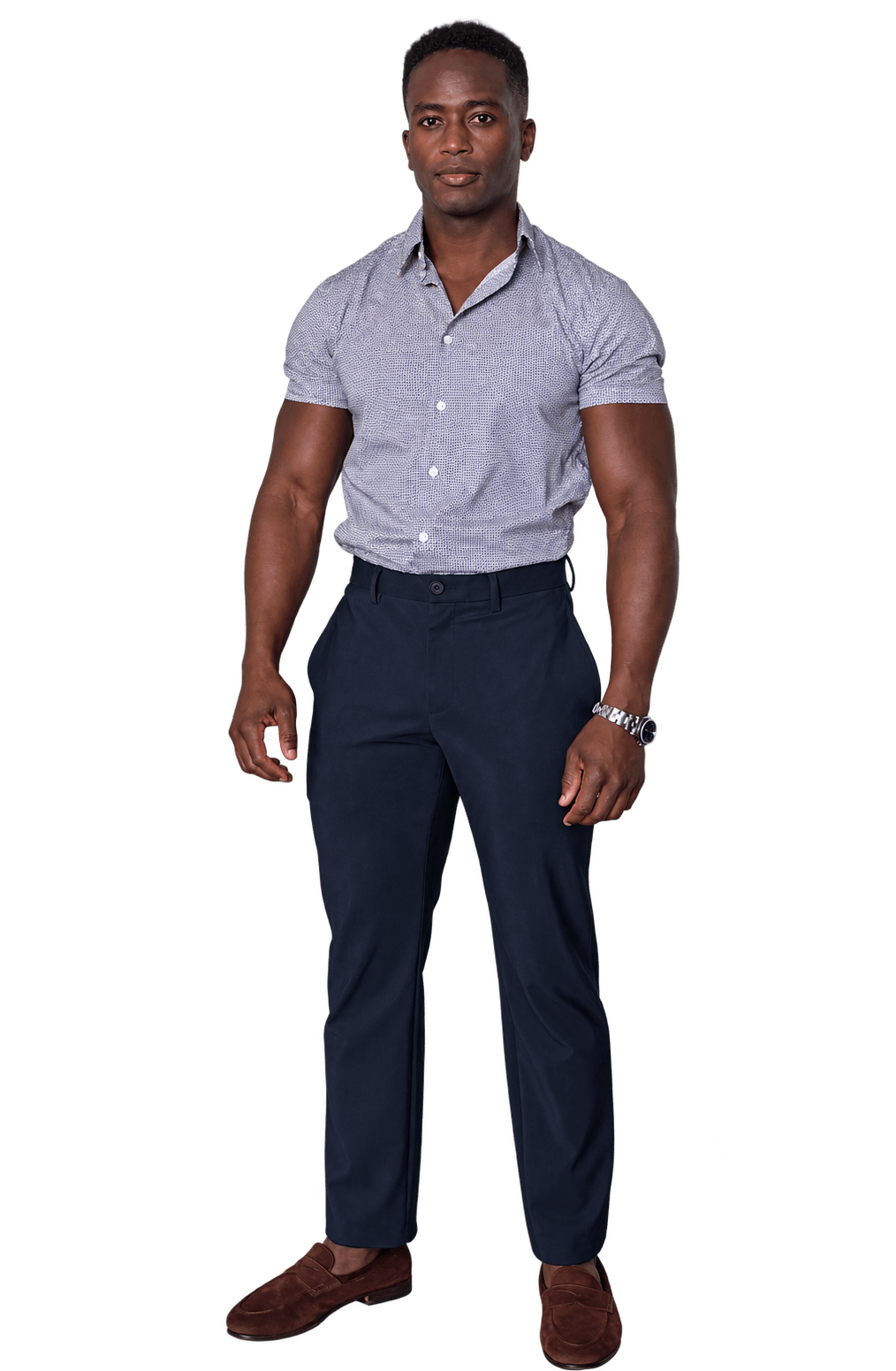
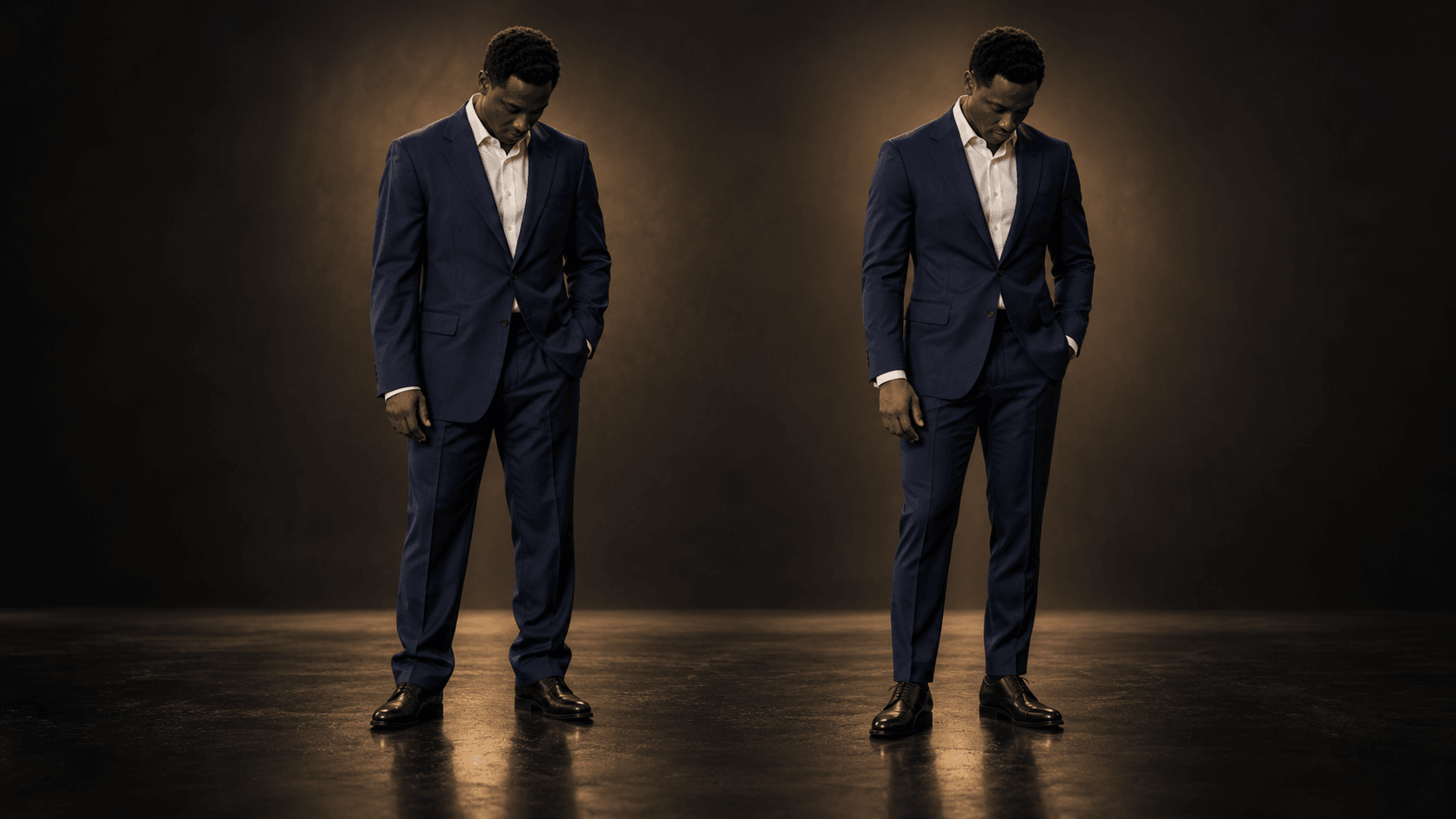
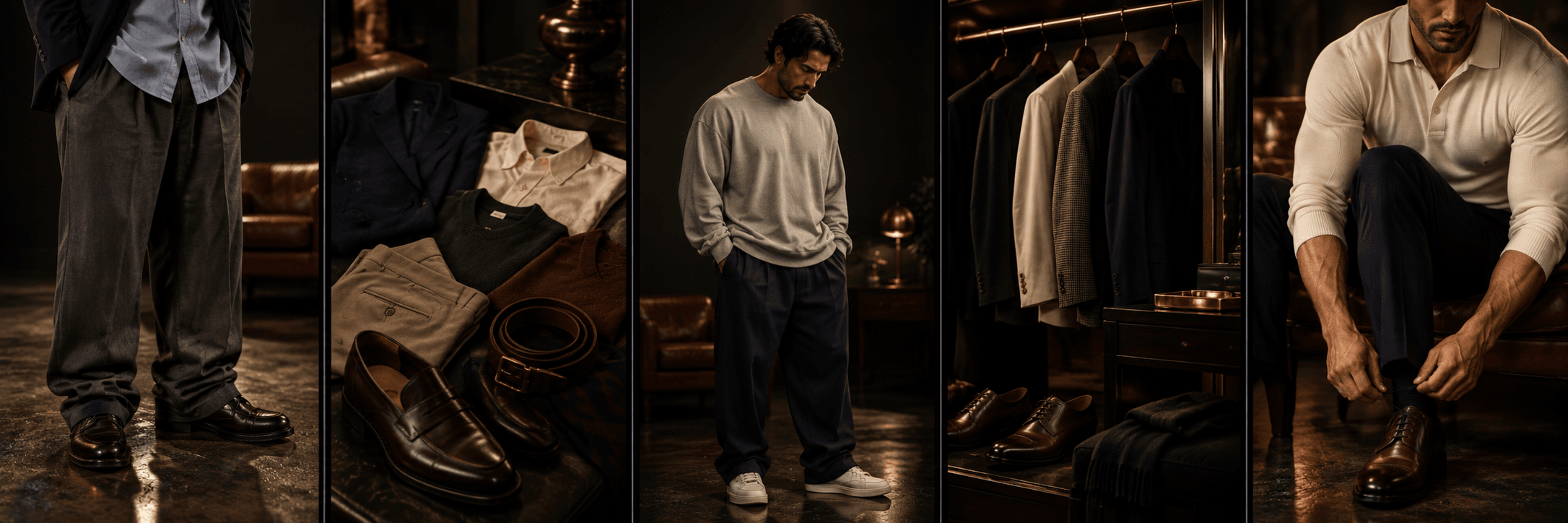
The shoes are working against the outfit.
Shoes aren’t a minor detail. In one study, researchers showed people photographs of the shoes someone wore most often. From the shoes alone, observers could accurately judge several characteristics of the owner, including age, gender and income. [5] That doesn’t mean one shoe style is objectively correct. It does mean footwear carries information.
In practical terms, shape, condition and proportion matter. Slim or tapered trousers often work better with a cleaner, less bulky shoe. Wider or heavier trousers can support something more substantial. When the shape of the shoe and the shape of the trousers fight each other, the outfit can feel wrong even when neither piece is bad on its own.
Condition matters too. Leather should be clean and polished when the shoe calls for it. Suede should be maintained. White sneakers shouldn’t look grey from wear. Scuffed or collapsing footwear can make the clothes above it feel cheaper than they are.
Shoes can also change your proportions. A modest heel or slightly thicker sole can add some height, which some shorter men may prefer. The point is subtle proportion—not wearing something that looks obviously engineered to make you taller. The right shoes can make a very simple outfit look finished.