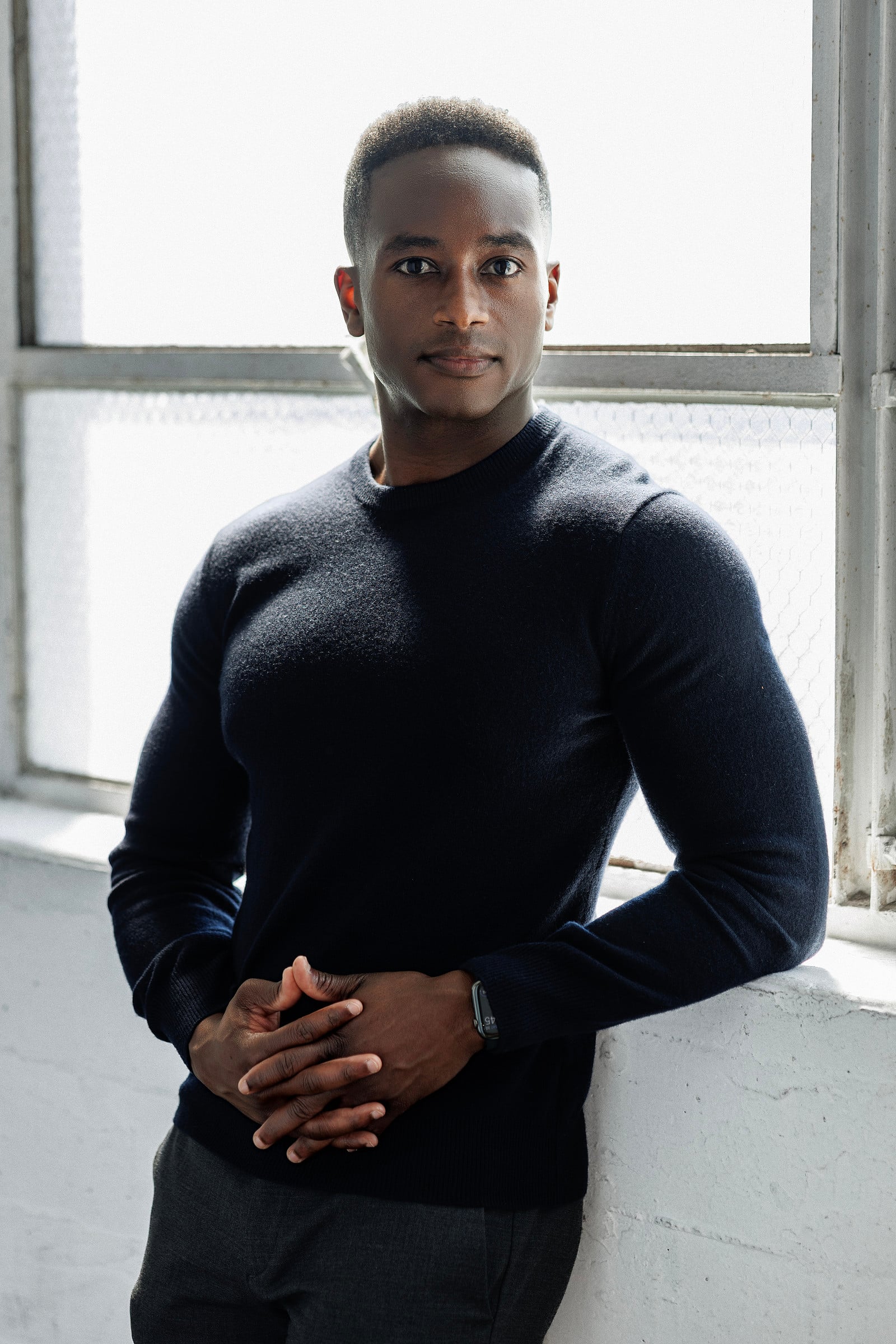
THE ORIGIN OF MANTH
I WAS TAUGHT HOW TO BECOME A LAWYER.NO ONE TAUGHT ME HOW TO BECOME THE REST OF THE MAN.
Professional development came with a curriculum. Personal development came as disconnected advice.
MANTH began with a simple question: why was one part of becoming better so structured, while the rest was left to chance?
MARC — FOUNDER, MANTH

01 — THE CURRICULUM I DID HAVE
I KNEW WHAT STRUCTURED DEVELOPMENT LOOKED LIKE.
School and law taught me to expect progression: fundamentals first, harder work later, more responsibility as judgment improved. Corporate transactions followed the same logic: learn how deals work, conduct diligence, draft documents, manage workflows, exercise judgment, work with clients, then lead.
Each stage depended on the one before it.
UNIVERSITY OF FLORIDA
Finance + Actuarial Science
summa cum laude
DUKE UNIVERSITY SCHOOL OF LAW
magna cum laude
Order of the Coif
Law Review
14+ YEARS PRACTICING LAW; 10+ YEARS IN M&A
- UNDERSTAND
- PRACTICE
- JUDGMENT
- RESPONSIBILITY
- LEAD
DEVELOPMENT HAD AN ORDER.


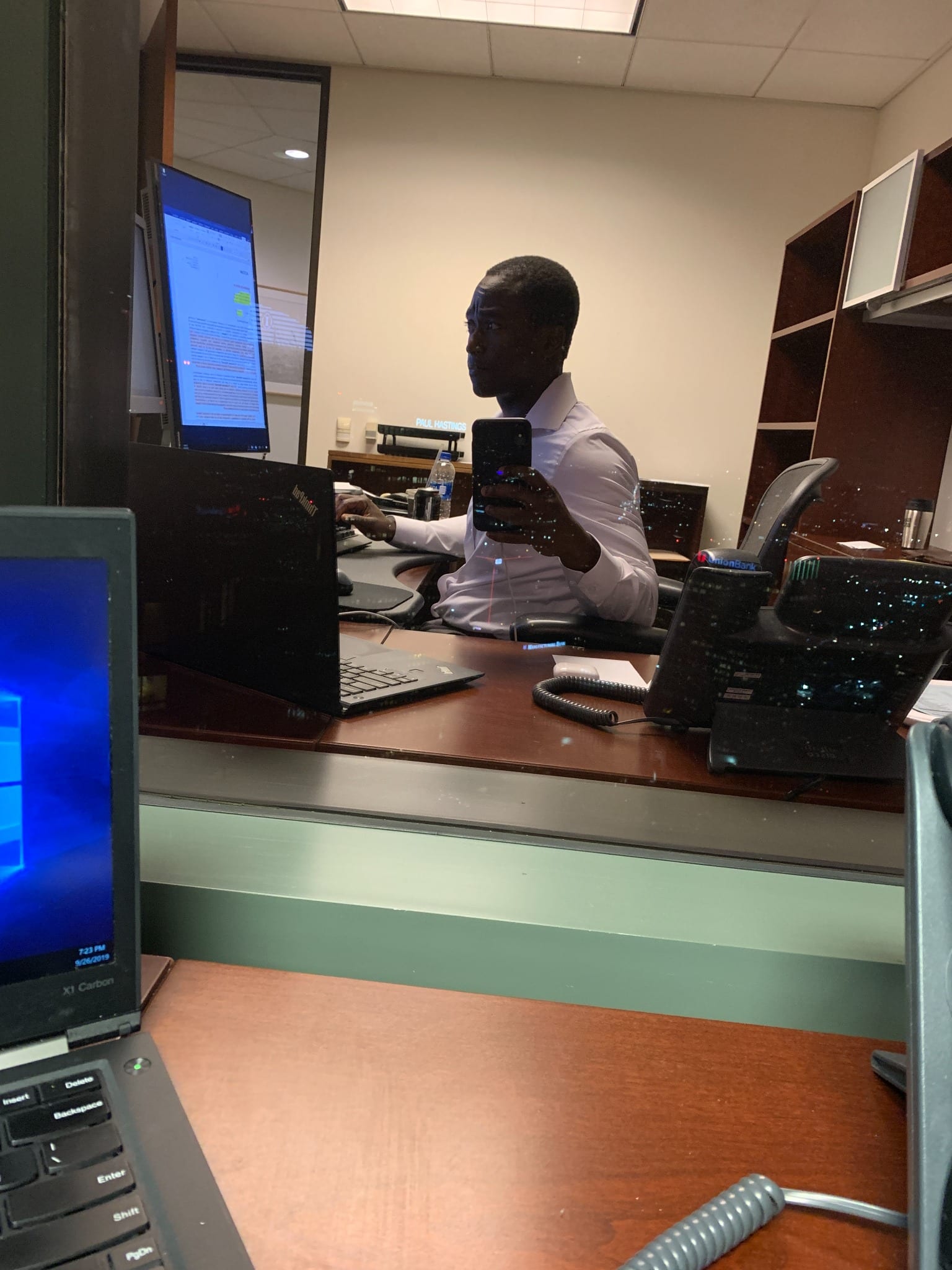
02 — THE MISSING CURRICULUM
THE STRUCTURE STOPPED AT THE JOB.
There was no equivalent curriculum for how I presented myself, took care of myself physically, projected confidence, dressed or carried myself.
Careers give you structured feedback on technical competence. They leave a vacuum around how you come across: your image and presentation, how confident you seem, your reputation, your presence in the room. Nobody tells you, and you rarely think to ask.
I could be competent without looking put together. I could be confident without projecting confidence. I could work hard in the gym and still wonder why the result did not match the effort.
Confidence is usually treated as temperament. It is closer to a skill, and it can be built deliberately. Having confidence and projecting confidence are also two different things: even once it is real internally, showing it is a separate skill with its own practice.
What I could not see yet was how the answers were supposed to fit together.
THE PROBLEM WASN’T A LACK OF THINGS TO IMPROVE.
It was that nothing told me what came first.

03 — THE SEARCH
I COULD FIND EXPERTISE EVERYWHERE.I STILL HAD TO INTEGRATE IT MYSELF.
I worked with trainers, therapists and dermatologists. I tried to solve style. I read, researched and later used general AI. Each source could help with a piece. I still had to decide what mattered most, how the recommendations fit together and what should wait.
TRAINERS · THERAPISTS · DERMATOLOGISTS STYLE · BOOKS · GENERAL AI
THE PROBLEM WAS NOT ACCESS TO INFORMATION.
THE PROBLEM WAS INTEGRATION.
04 — THE MISSING SYSTEM
I COULD FIND EXPERTS FOR THE PIECES.I COULD NOT FIND ONE SYSTEM FOR THE WHOLE.
Once I saw the problem that way, the analogy to professional development became obvious. The missing piece was not another source of advice. It was a curriculum.
One system needed to decide what deserved attention, what could wait, how the areas affected one another and when it was time to move forward.
PERSONAL DEVELOPMENT NEEDED A STRUCTURE.
05 — BUILDING MANTH
SO I BUILT THE SYSTEM I COULDN’T FIND.
The structure became six areas: Grooming, Fitness, Nutrition, Mindset, Style and Presence.
The order was deliberate, but not rigid. The system needed a strong default sequence while still accounting for what someone already had handled.
It also needed diagnosis, prioritization, judgment and restraint.
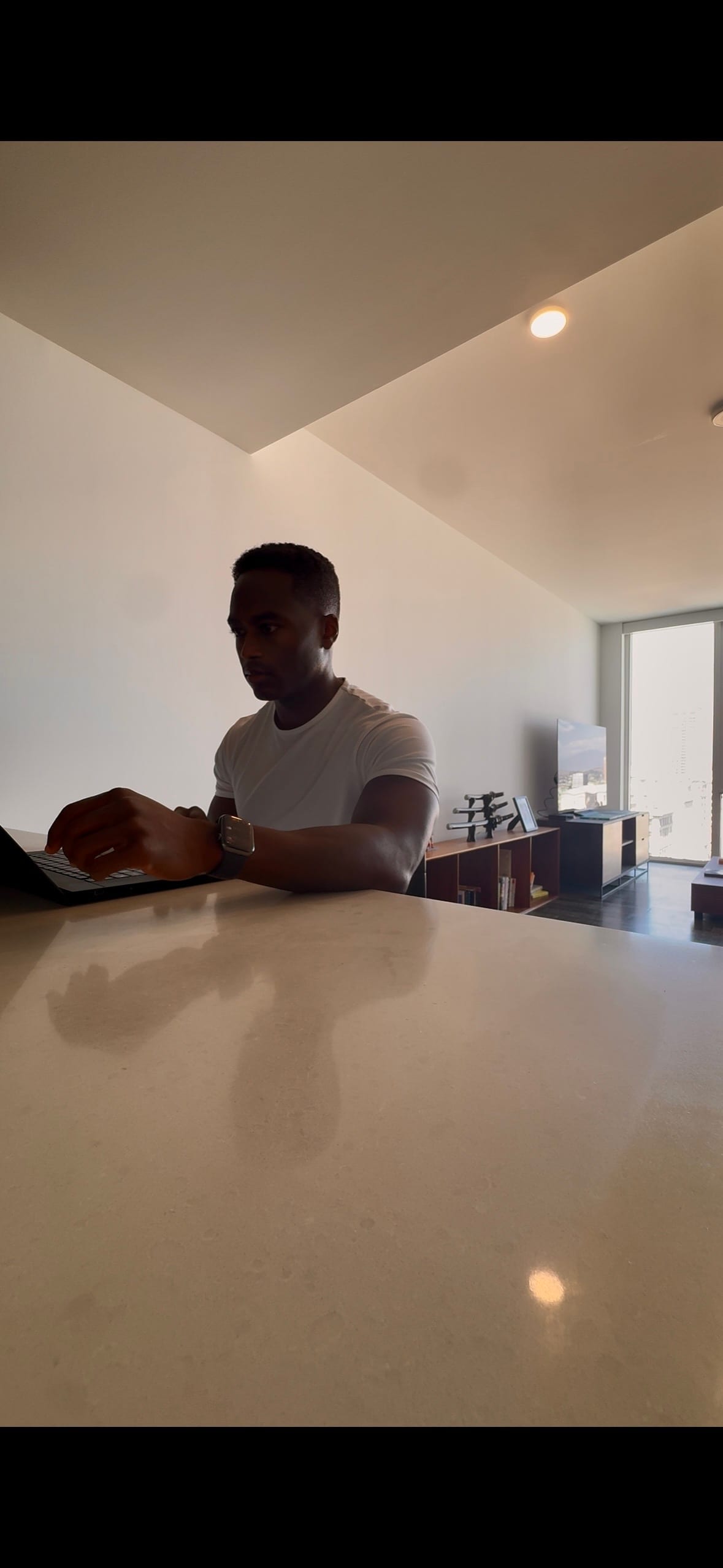
06 — THE FIRST TEST CASE
THE FIRST PERSON I PUT THROUGH THE SYSTEM WAS ME.


Founder example. Marc’s own experience, not a result another user should expect to reproduce.
I was not trying to become someone else. I was trying to make the different parts of my development stop working against one another.
The visible changes mattered. So did the less visible ones: clearer standards, faster decisions, knowing what deserved attention and knowing when enough was enough.
My experience became the first test case for the system, not the outcome every user is supposed to reproduce.
SAME MAN.DIFFERENT SYSTEM.
Founder example. These images document Marc’s own experience and the origin of the method; they are not a representation of what another user should expect to achieve.
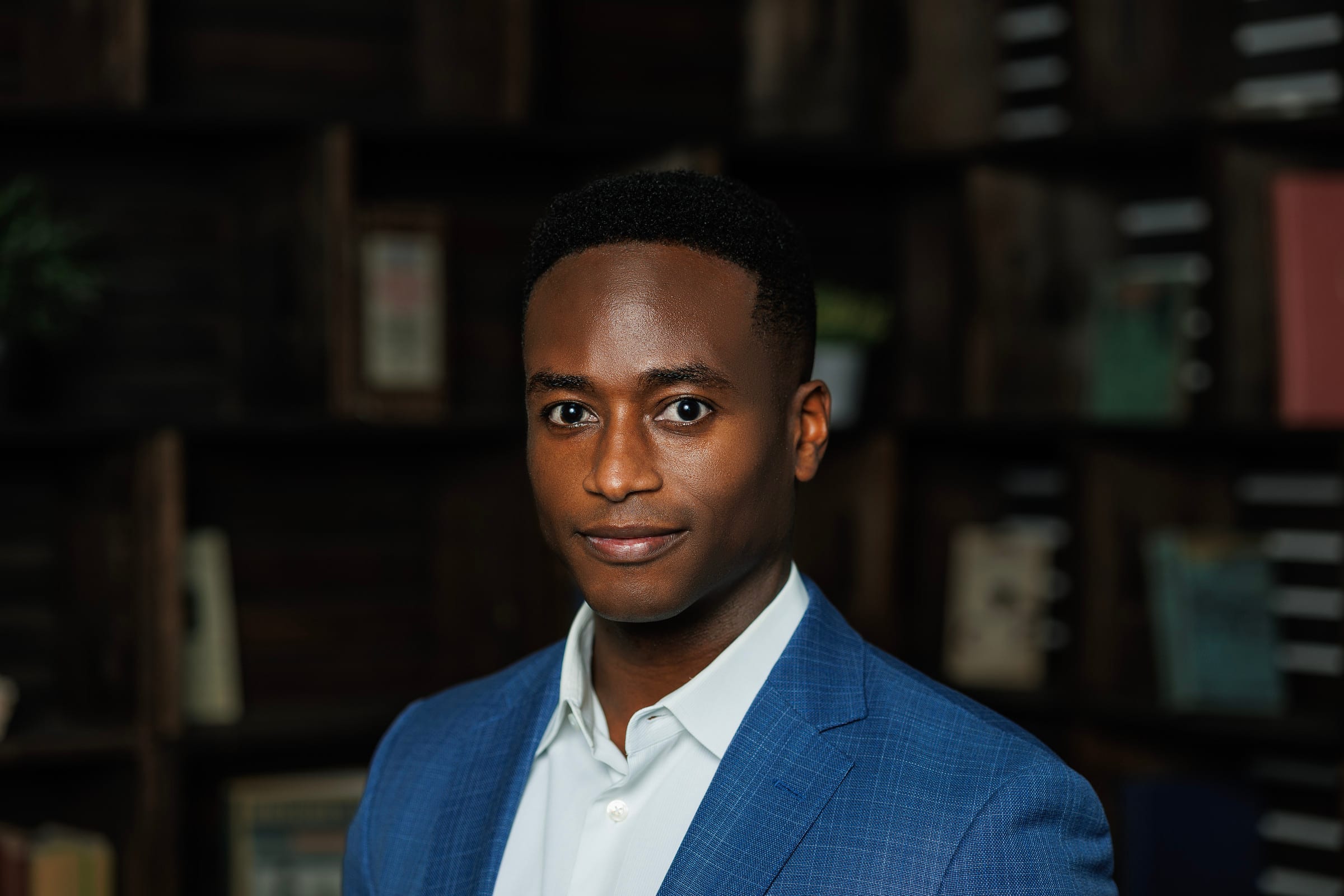
07 — THE PRINCIPLE
SYSTEMS, NOT GURUS.
The point of MANTH is not to make someone dependent on Marc.
Marc is the architect and first test case, not the template.
The method matters more than the personality behind it. The goal is better judgment, better standards and eventually less dependence on the system, not more.
BUILT TO BE OUTGROWN.

THE IDEA THAT BECAME MANTH
PERSONAL DEVELOPMENT SHOULD HAVE AN ORDER.
Start with what matters now. Build from there.